Which Suki bag to choose: Pandora, Ulysse or Altaï
The Suki bag collection comes down to three models: two belt bags, Pandora and Ulysse, and one bucket bag, the Altaï. Three pieces sewn on rue Labie, in the same leather, in the same three colours. This guide helps you choose the one that fits the way you live, not the prettiest one: they are all made with the same care.
Three bags, two silhouettes
There is no endless catalogue at Suki. There is one belt-bag shape, in two characters, and one hand-braided bucket bag. The rest of the collection is purses, card holders, keyrings and pouches.
Pandora (€250) and Ulysse (€320) share exactly the same shape, the same construction and the same way of wearing. The Altaï (€410) is the house handbag: a bucket with braided handles, dressier, more open. All three come in black, camel and forest.
The three questions to ask yourself
What do you carry? Wallet, keys, phone, sunglasses: the belt bag is enough. Add a notebook, a pencil case, a bottle of water, and it is the bucket.
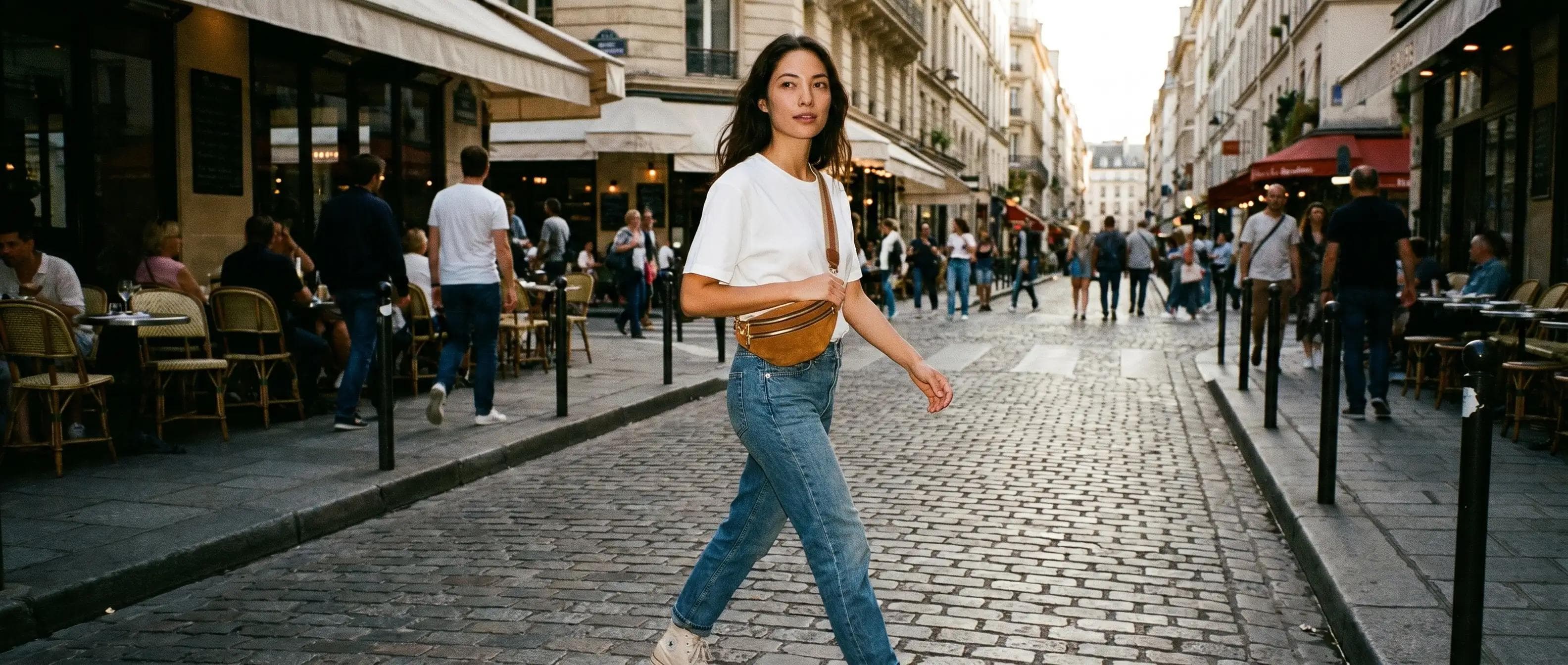
How do you want to wear it? Hands free, across the chest or high on the shoulder: the belt bag. By the handles, like a handbag: the Altaï.
For which days? Metro, bike, errands, weekends: the belt bag goes out every day without drawing attention. Meetings, dinners, days when the bag is meant to be seen: the Altaï has a presence the belt bag does not.
Pandora: the pared-back belt bag
Pandora is the plain front. No motif, nothing to catch the eye before the cut and the colour. A 39 × 17 cm body, 11 cm deep, one large zipped compartment, a zipped pocket on the front, one on the back, a flat inner pocket and a clasp for your keys.
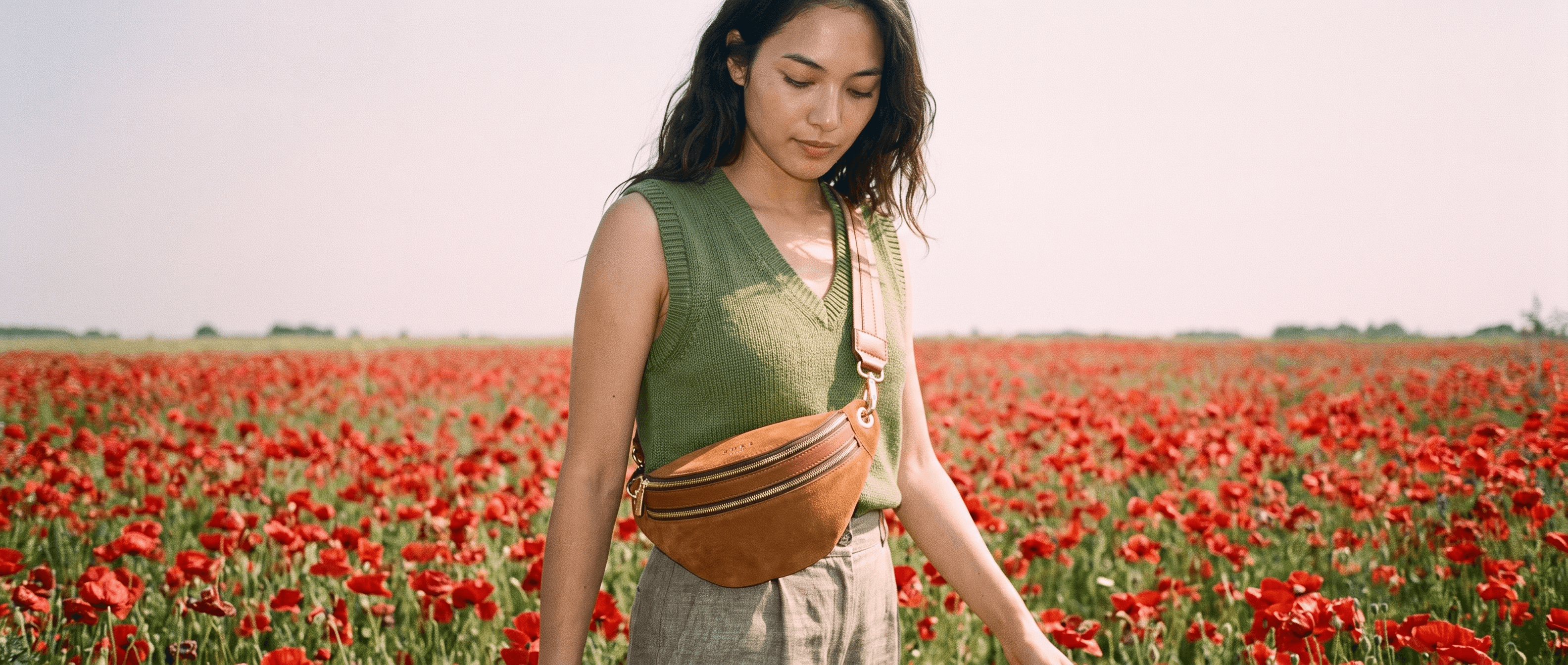
The leather-and-cotton strap adjusts from 90 to 130 cm and comes off. Lengthened, it crosses the chest for hands-free wear. Shortened, it sets the bag high on the shoulder, closer to the body, dressier. Never at the waist, never on the hip: this is not a hiking bum bag.
Ulysse: the belt bag with leather-covered hearts
Ulysse is the same belt bag with a signature on the front: leather-covered, top-stitched hearts. Same body, 39 × 17 × 12 cm, same zipped compartment, same pockets, same clasp, same adjustable strap. What you buy on top is the motif, and the time it takes to make it.
Between the two, the question is therefore neither capacity nor shape, which are identical. It is what you expect from your bag: to blend into the outfit, or to say something before you do.
The Altaï: the hand-braided bucket bag
The Altaï is a 21 × 22 × 16 cm bucket bag, round base and supple silhouette, opening wide at the top. You see what you are looking for and reach it without digging. It closes with a magnet backed by a drawstring: the quick gesture of one, the security of the other. A clasp inside, an outer pocket at the back, four feet protecting the base.
Its handles are braided by hand, strip after strip, on rue Labie. Close to eight hours of work per bag, and a pattern that owes everything to the gesture, nothing to a machine. The braid is decorative: it signs the bag, it does not hold it together. In camel and forest, the leather is bi-texture, milled on one side, buffed on the other. In black, it is dyed through, with hand-dyed edges. If you want to see this gesture up close, the braiding, step by step tells the story.
Black, camel or forest
All three models come in all three colours. The leather is the same throughout: full-grain, vegetable-tanned cowhide, milled to soften it. It develops a patina instead of wearing out, and each colour ages in its own way.
Camel changes the most: it darkens where it is touched and takes on a shine where the hand passes. It is the colour for those who want to watch their bag live. Black is the most discreet: it softens, gains a slight sheen on the corners over the months, and goes with everything. Forest does not sit flat: a deep green that gains depth with the light and develops a patina in the areas of friction.
What the three share
A waterproof nylon lining, sewn with the same care as the outside. On the belt bags, a gold-finish YKK Excella zip. On the Altaï, the magnet and the drawstring. And hot-stamping, if you want it: initials, a short name or a date, in gold, silver or natural, carried out at the atelier on every order before dispatch, for an extra €30. On the belt bags, it sits on the front face without getting in the way of the opening.
Everything is made on rue Labie, in the 17th arrondissement, in small batches. No subcontracting: a day inside the workshop shows what that means in practice.
And for the evening?
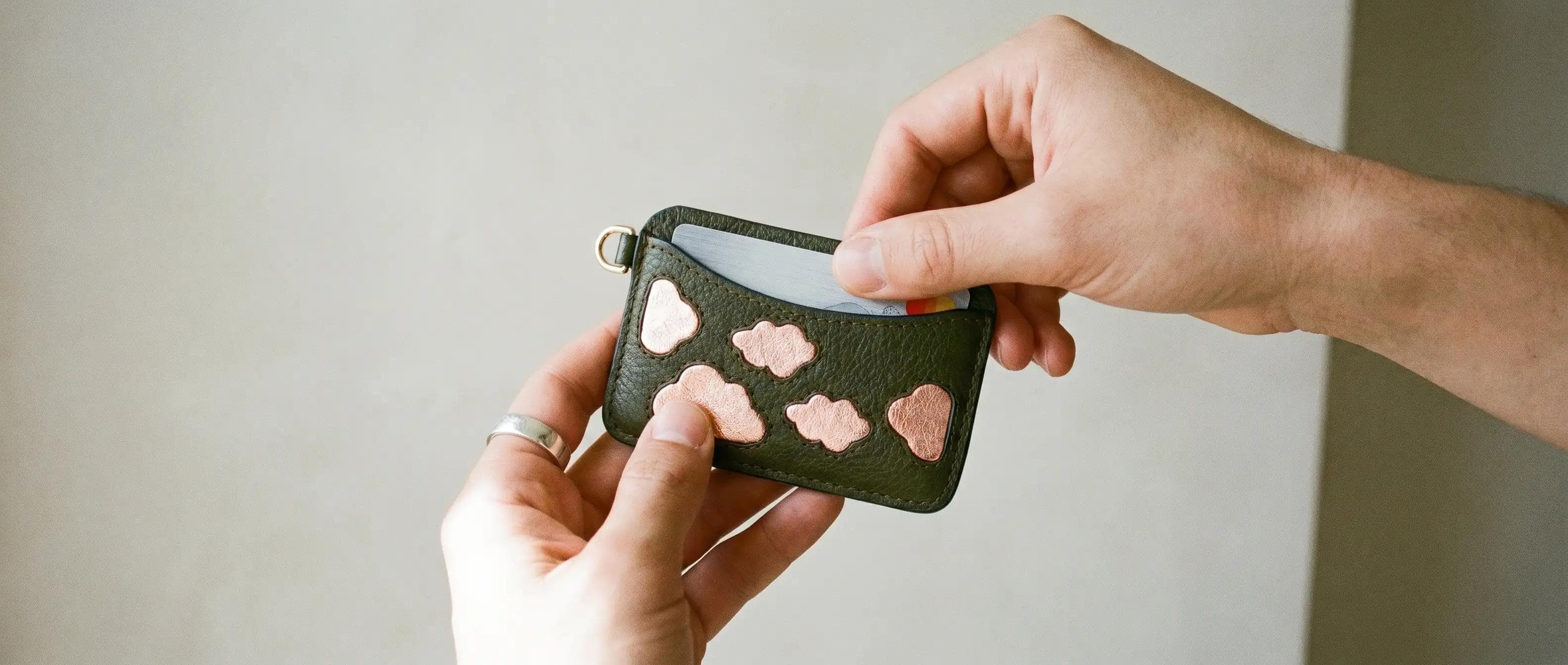
When a bag has no place, dinner, gallery opening, night out, the house has an answer that is not a bag: the passport-size pouches. Cards, keys, a lipstick, a few notes, behind a leather-covered press stud. Dream, Bisou, Nikiti and Sévilla share the same envelope and the same triangular flap, with four different motifs.
In short
You want your hands free and a bag that goes out every day: Pandora if you like restraint, Ulysse if you like it to show. You want a handbag that opens wide and has presence: the Altaï. Still undecided: the bag collection shows them side by side, and the belt bag guide details the ways to wear them. Once your bag has arrived, the care guide explains how to look after it over time.
QUESTIONS FRÉQUENTES
Tout ce que vous voulez savoir
FOUNDER & LEATHER ARTISAN
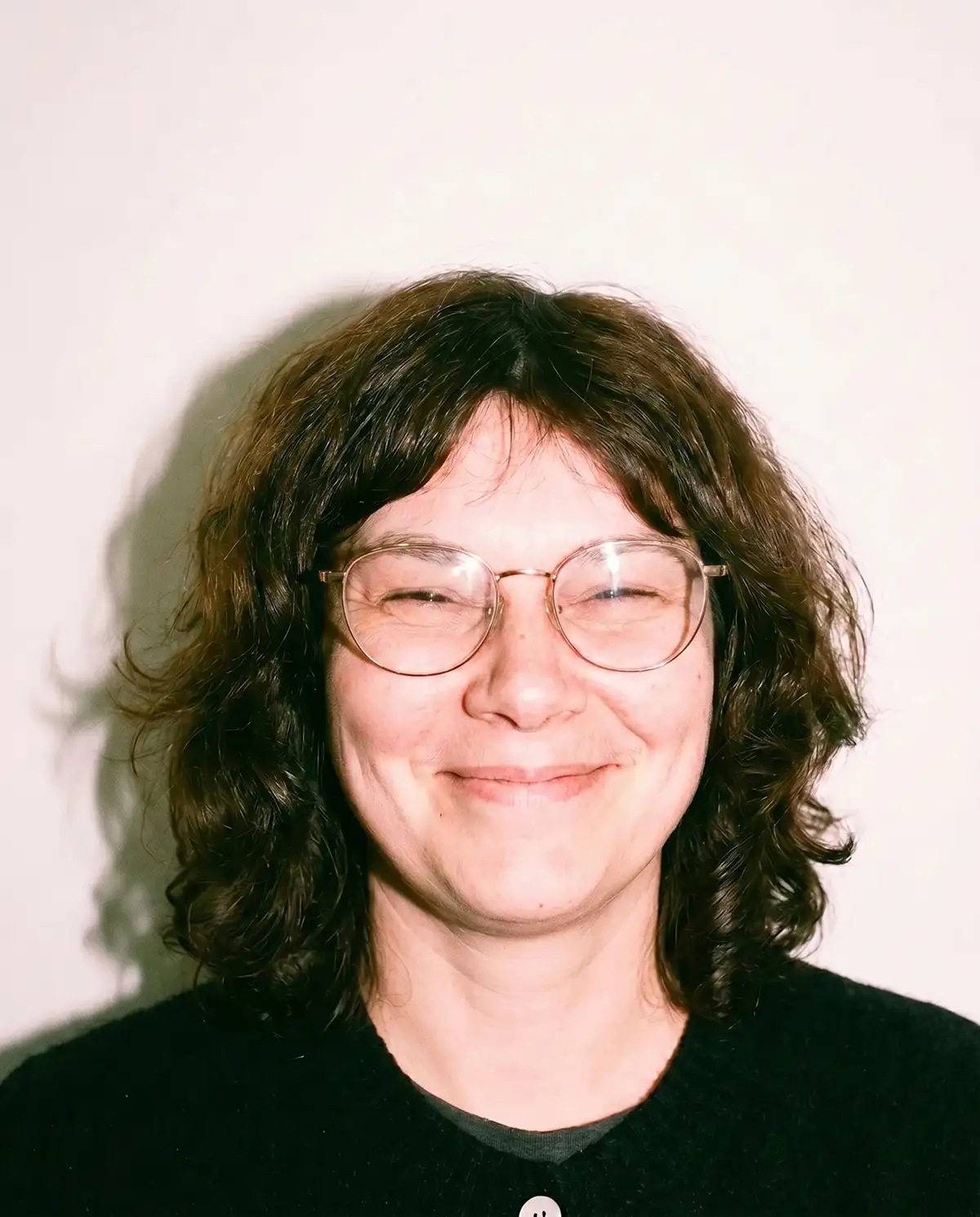
Amandine Simon
Founder of Suki Paris, Amandine crafts every piece by hand in her workshop in the 17th arrondissement.
IN THE SHOP